

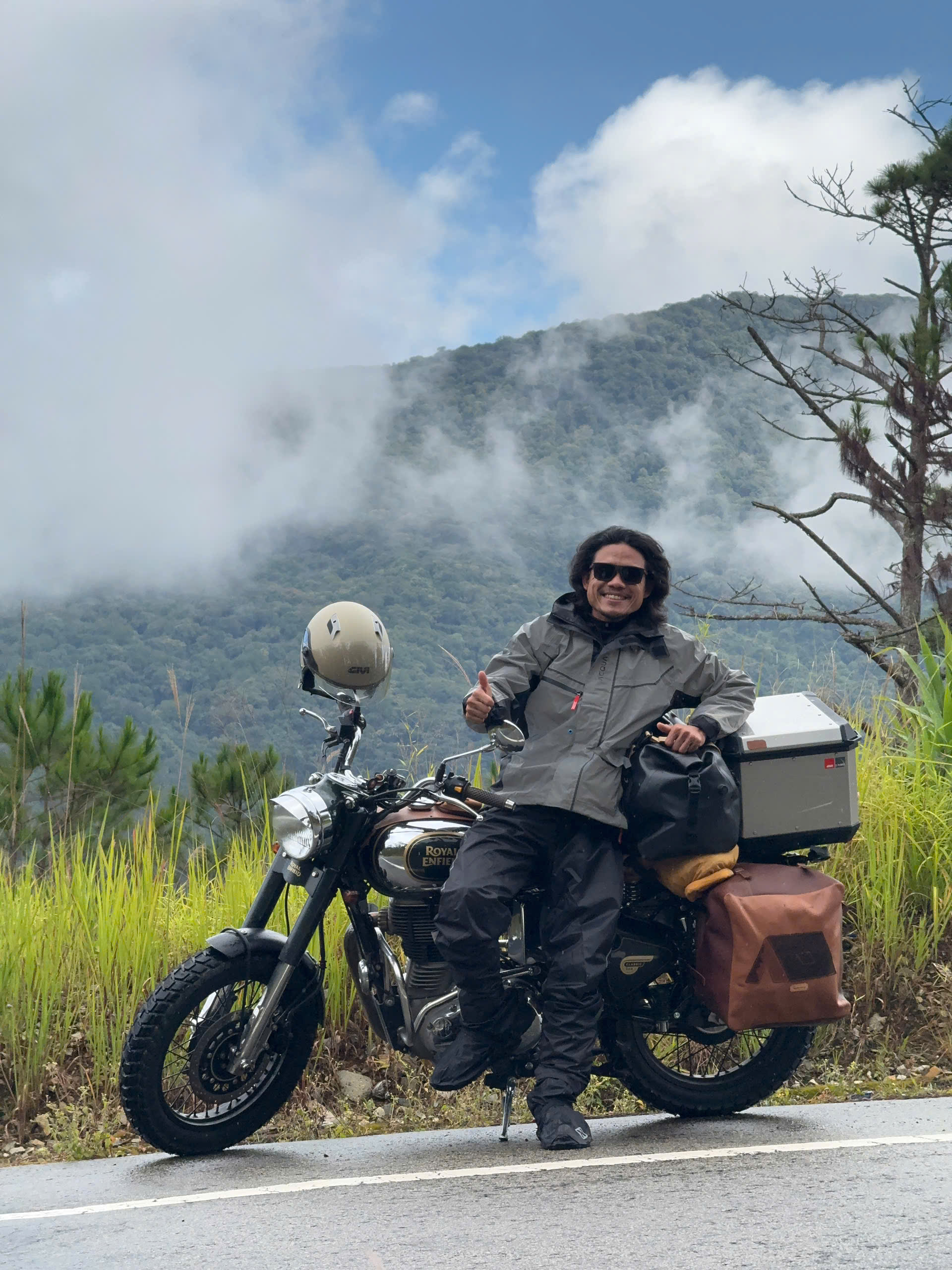
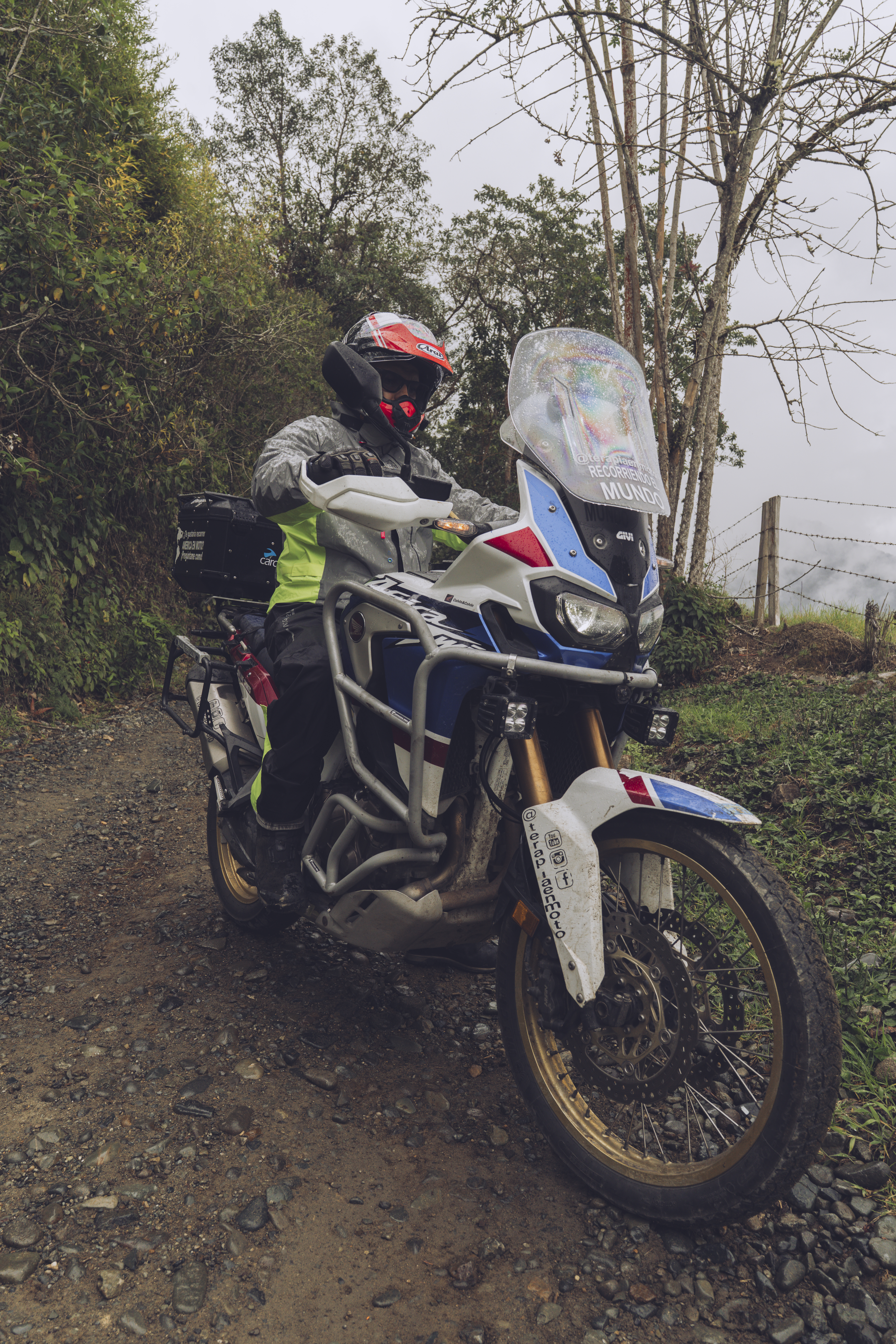
Unexpected rain is almost unavoidable for motorcyclists and touring enthusiasts in Vietnam.
A suitable rain suit does more than help keep you dry. It should also provide comfort, allowing you to stay focused on the road and enjoy your journey. Yet, when choosing rain gear, many riders tend to focus on just one specification: the waterproof rating.
Does a higher rating always mean better protection against rain? To find out, let’s explore how waterproof ratings work, what affects real-world performance, and how to choose the right rain gear for your riding needs with GIVI.
What Is a Waterproof Rating?
When researching waterproof clothing, you may come across ratings such as 5,000 mm, 10,000 mm, or 20,000 mm. These figures commonly refer to the Hydrostatic Head (HH) rating, which measures a material’s resistance to water pressure.
Understanding mmH₂O Ratings
Imagine a column of water placed against a piece of fabric. As the height of the water column increases, so does the pressure exerted on the fabric. The Hydrostatic Head rating indicates the level of water pressure a material can withstand before water begins to penetrate under specified test conditions.
For example:
-
5,000 mmH₂O: Equivalent to the pressure exerted by a 5-metre column of water during testing.
-
10,000 mmH₂O: Equivalent to the pressure exerted by a 10-metre column of water.
-
20,000 mmH₂O: Equivalent to the pressure exerted by a 20-metre column of water.
These figures represent laboratory test results. They do not mean that a garment can be submerged to the corresponding depth or guarantee that it will remain completely dry for a specific period.
Beyond the Fabric: What Makes GIVI Rain Gear Waterproof?
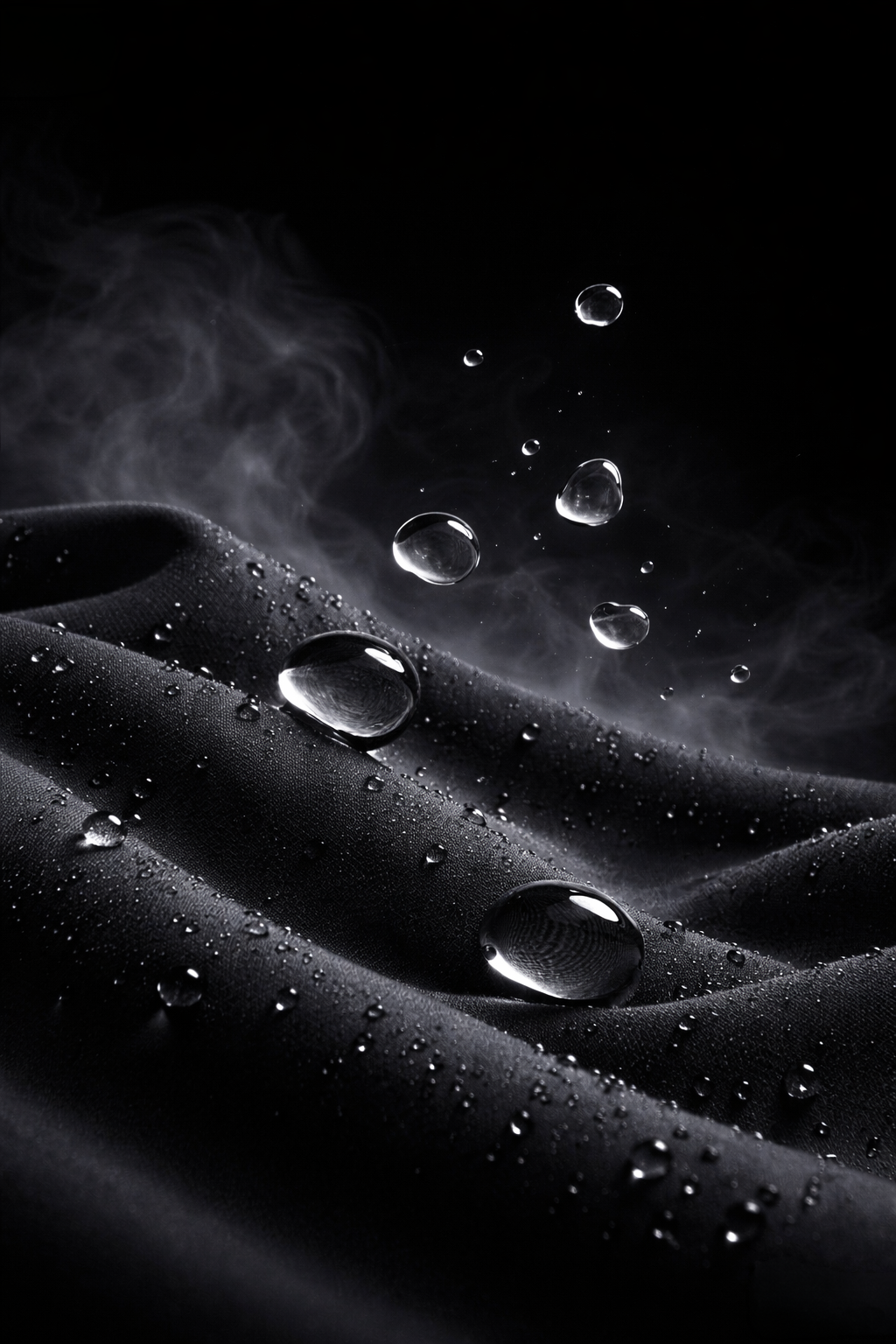
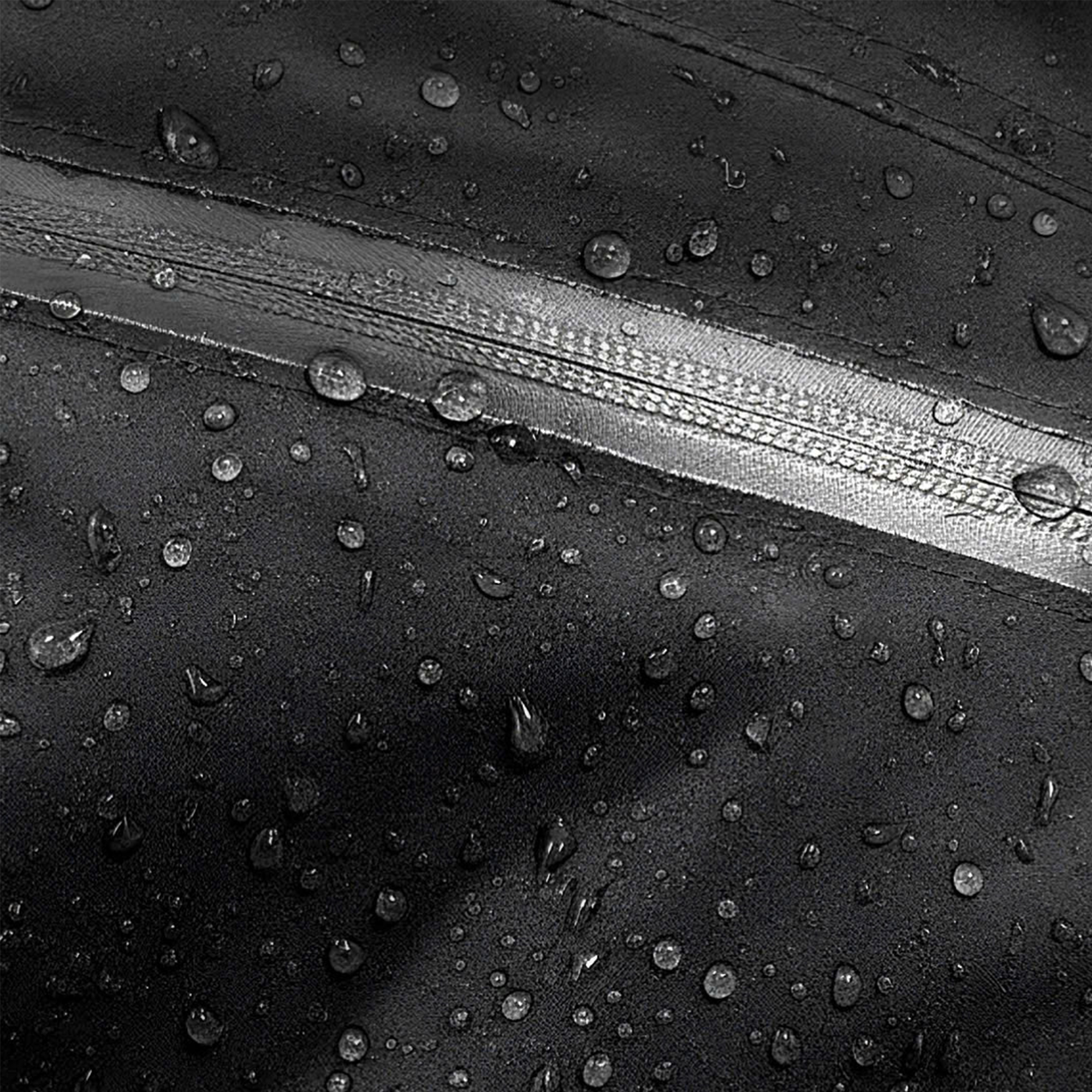
Effective waterproof protection depends on more than the fabric itself. It also relies on how the garment is constructed and finished. Even if the fabric effectively repels water, moisture may still enter through seams or zippers if these areas are not adequately protected.
Fabric and Waterproof Coating
 |
|
Heat-Sealed Seams: Helping Prevent Water Penetration
 |
|
Zippers, Pockets and Functional Design Details
Water can also enter through openings or areas that are not adequately protected. Therefore, waterproof performance should be considered across the entire garment, including zippers, pockets, and other areas exposed to rain.
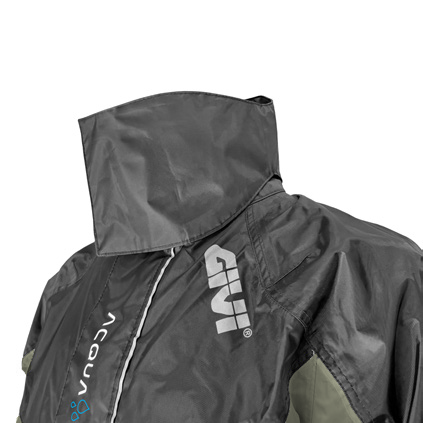
GIVI rainwear features a range of design details intended to support riding in wet conditions, including:
-
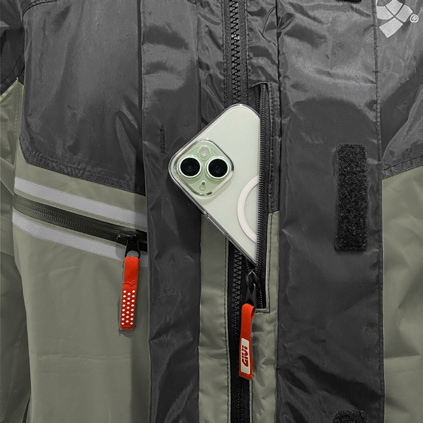
Water-resistant Napoleon chest pocket: Helps protect items stored in this pocket, such as a phone, from rain.
-
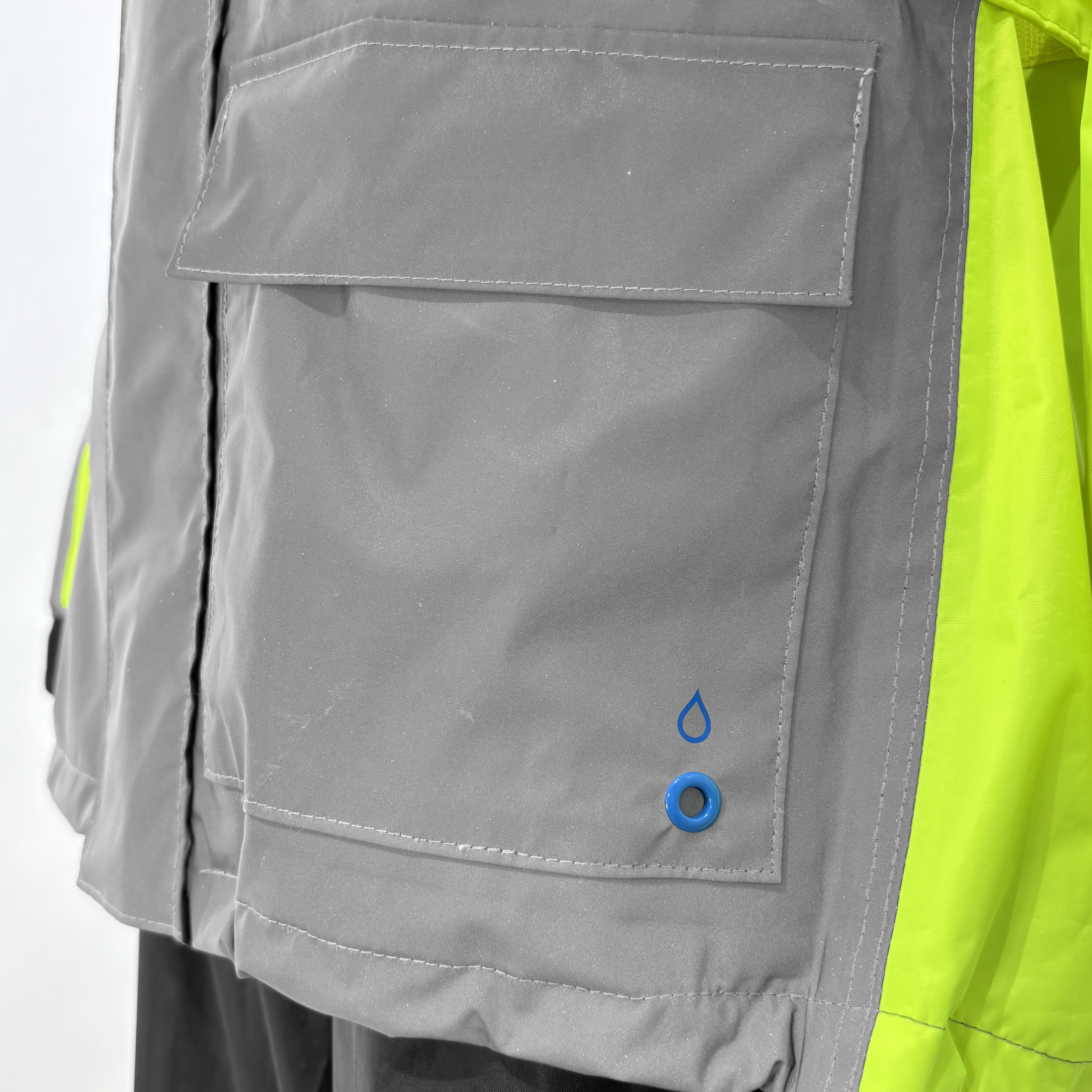
Drainage pockets: Designed to help water drain from designated storage areas used for items such as keys and access cards.
-
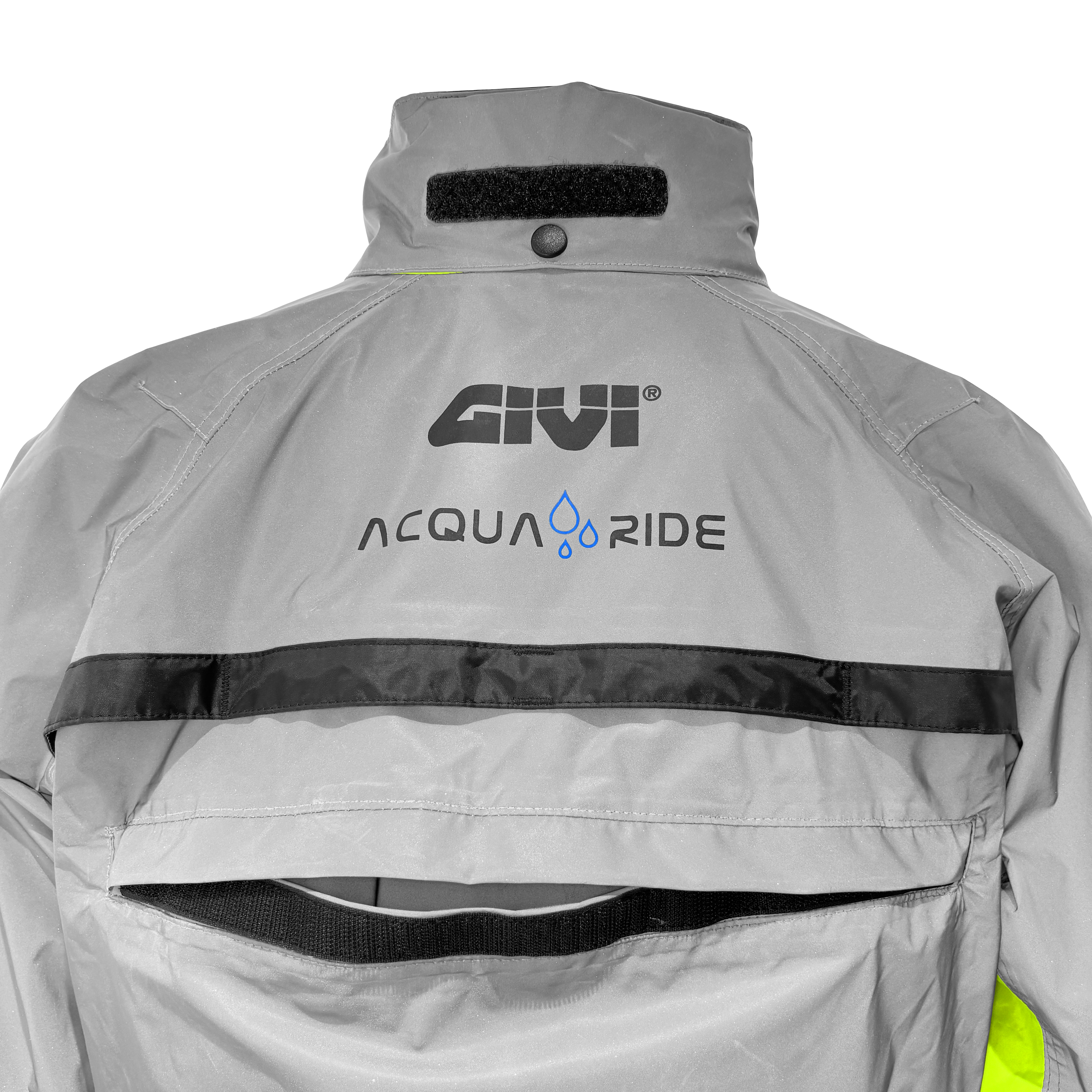
Rear ventilation system: Helps reduce heat build-up and improve wearing comfort.
-
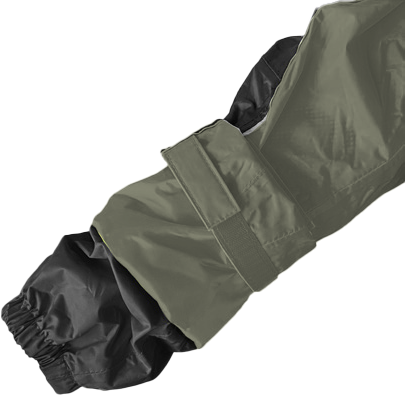
Adjustable hook-and-loop straps at the wrists, waist and ankles: Allow a closer fit and help reduce fabric flapping at higher riding speeds.
-
Large reflective panels: Help improve visibility in low-light conditions.
Each feature serves a different purpose. For example, ventilation is designed to improve comfort, while heat-sealed seams help reduce water penetration through stitched areas. These features should not be treated as interchangeable measures of waterproof performance.
Why Can Motorcycle Rain Trousers Have a Lower Waterproof Rating Than the Jacket, Even When Made from the Same Material?
When comparing rain suits, you may notice that some products list a higher waterproof rating for the jacket than for the trousers, even though both are described as using the same material.
This raises an important question: if the material is the same, why can the waterproof performance differ?
To understand this, it is important to distinguish between the waterproof performance of a material and the waterproof performance of a garment under real riding conditions.
In particular, motorcycle trousers face specific conditions that can increase the risk of water penetration in certain areas.
|
|
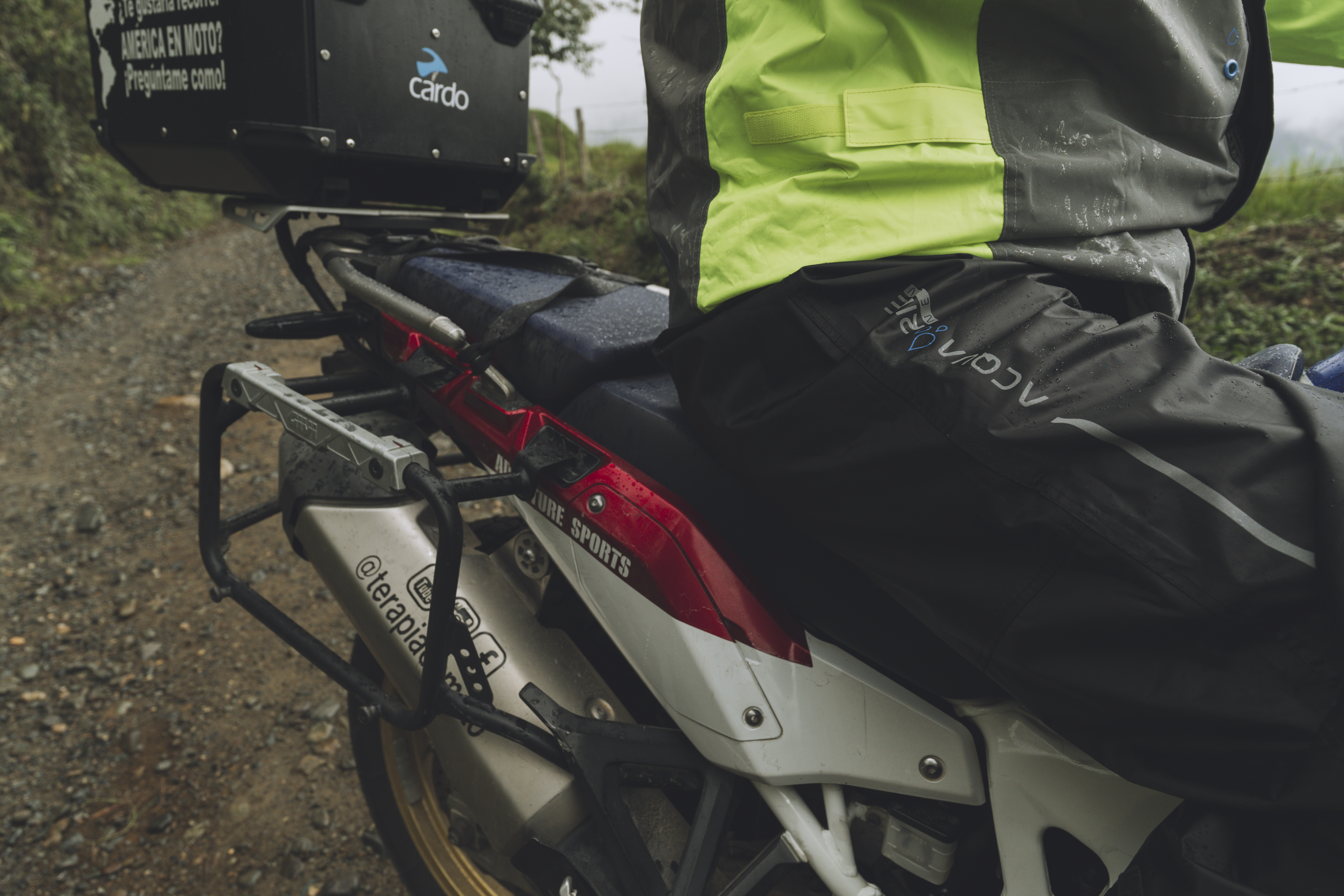
Concentrated Pressure Around the Seat and Crotch Area
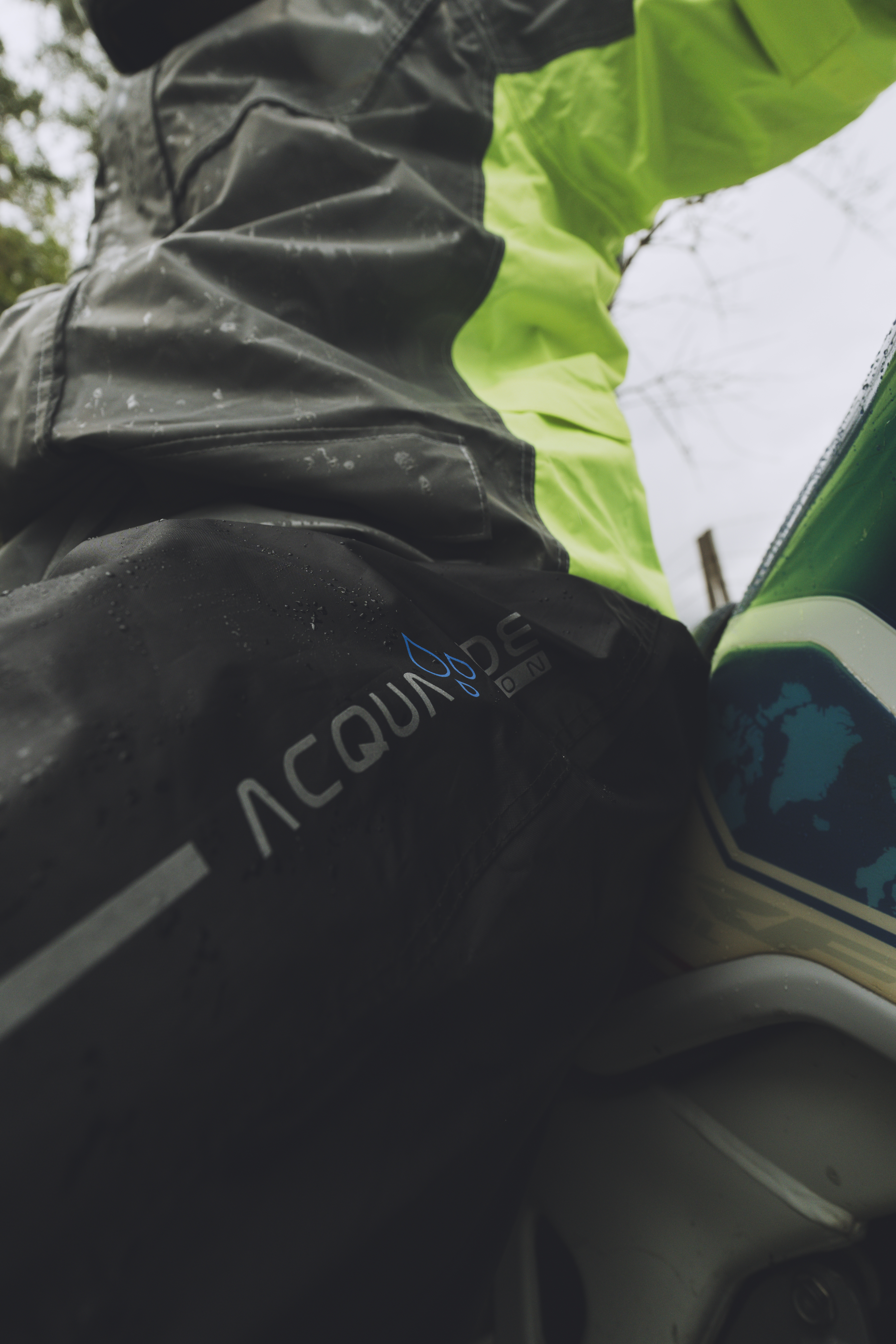
Friction Can Accelerate Wear on the Waterproof Coating
The Crotch Seam Requires Particular Attention
Should You Choose Trousers with a Lower Waterproof Rating Than the Jacket?
|
How to Maintain the Waterproof Performance of GIVI Rain Gear
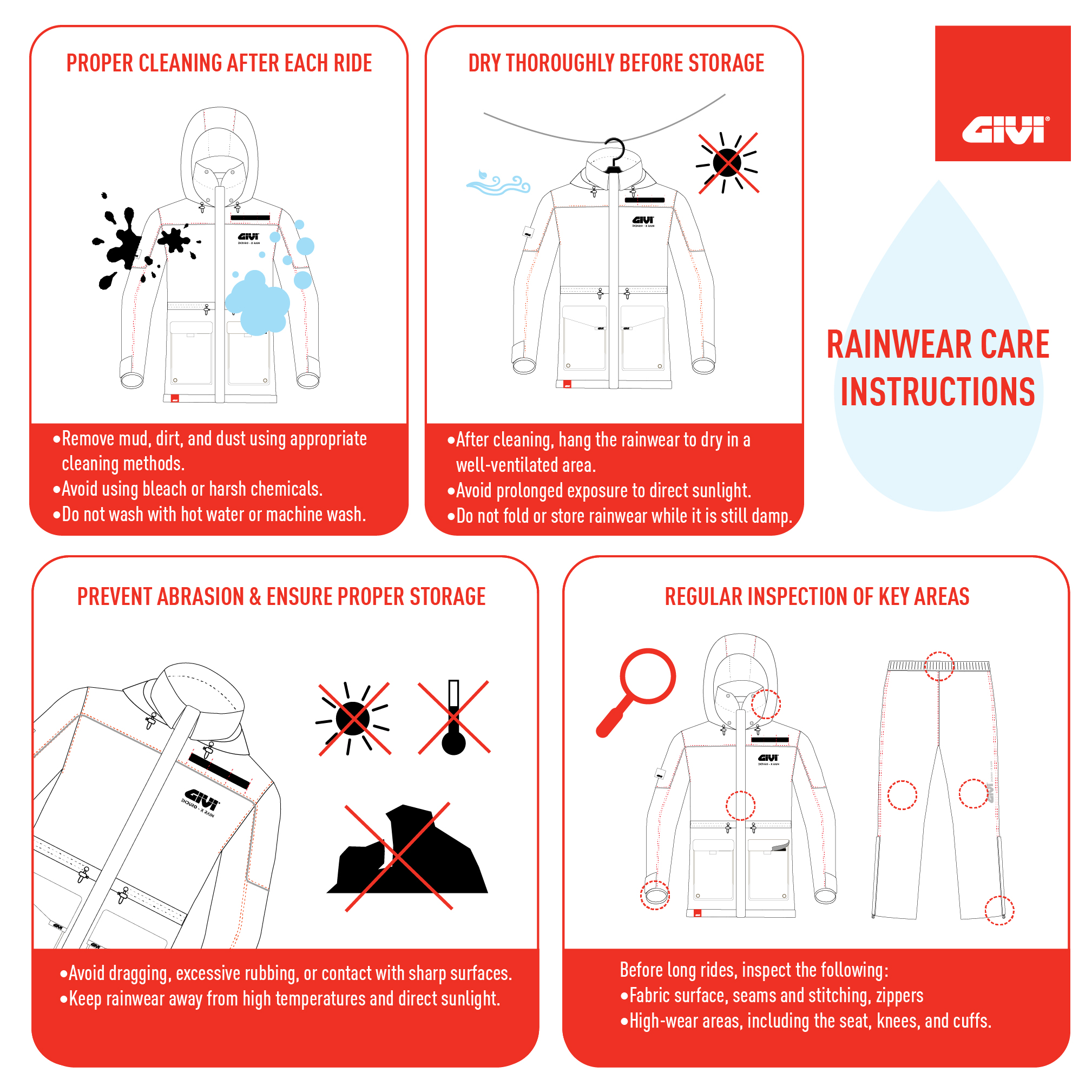
If you notice any problems, consult the product care instructions or seek appropriate assistance before relying on the garment for an extended ride in wet conditions.
Choose the Right GIVI Rain Gear for Your Journey
Understanding waterproof ratings is a useful starting point, but choosing the right rain gear requires considering several factors together.
Before selecting a rain suit, consider:
-
Waterproof performance: Check the published rating and which part of the garment it applies to.
-
Garment construction: Look at the fabric, seams, zippers, and areas where water could enter.
-
Riding conditions: Consider how long you ride in the rain, how frequently you use the garment, and which areas are exposed to friction.
-
Comfort: Choose the right fit for freedom of movement and consider moisture management.
-
Maintenance: Follow the recommended cleaning, drying, and storage instructions to minimise wear.
With the Acquaride range, GIVI combines PU-coated 210T Nylon fabric, 100% heat-sealed seams, and functional design features developed for motorcycle and scooter riders. The published waterproof rating of up to 20,000 mm for the jacket is a useful specification to consider when choosing your rain gear.
However, always check the specifications and features of each individual product, and maintain your rain gear properly to help preserve its performance.
Explore the GIVI rainwear collection here:
For personalised advice on choosing the right rain gear, contact an authorised GIVI dealer in Vietnam:
Whether you are commuting on familiar roads or embarking on a long journey through changing weather conditions, the right rain gear helps you stay prepared for unexpected rain.
GIVI – Explore. Enjoy.


